 Store Locator

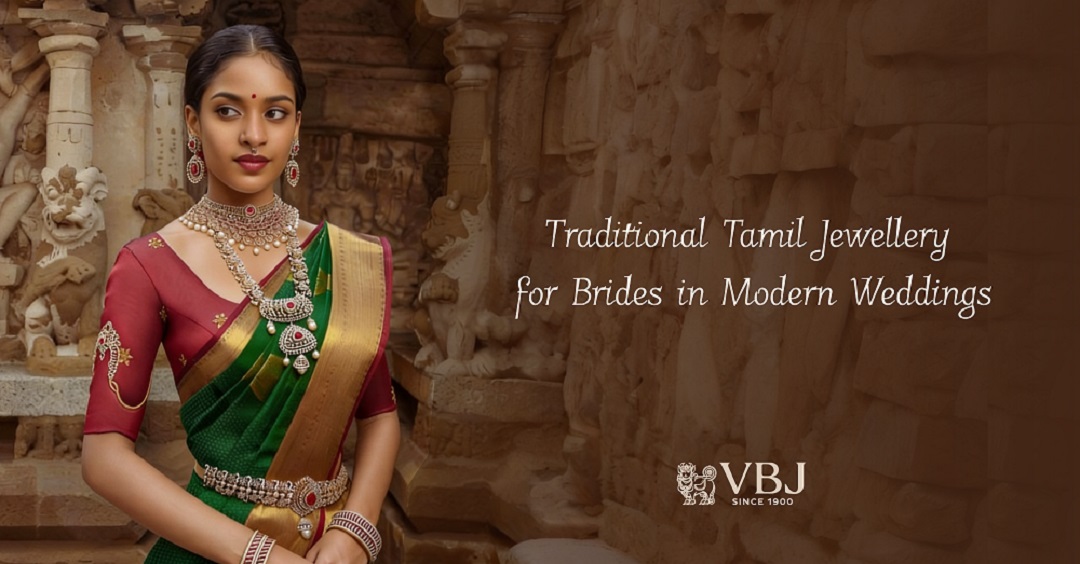
Tamil weddings are among the most culturally rich and symbolically layered celebrations in India. Every ritual, every silk saree, every ornament carries meaning. At the heart of this grandeur lies traditional Tamil jewellery, not merely as adornment, but as a visible expression of prosperity, lineage, devotion, and new beginnings.
For centuries, traditional Tamil jewellery for brides has followed sacred conventions rooted in temple art and ancestral customs. Yet, in modern weddings, these timeless pieces are being reimagined, styled with intention, designed with versatility, and chosen with both sentiment and practicality in mind.
This guide explores the significance of traditional Tamil wedding jewellery, the essential pieces every bride wears, and how contemporary brides are redefining heritage.
The Importance of Traditional Tamil Jewellery
In Tamil culture, bridal jewellery is inseparable from the wedding ceremony itself. Gold is not just decorative, it is symbolic.
For a Tamil bride, jewellery represents:
- Prosperity and abundance: Gold signifies wealth, security, and auspicious beginnings.
- Divine blessings: Many motifs draw inspiration from Goddess Lakshmi and temple art.
- Family honour and legacy: Jewellery is often gifted by elders and passed down across generations.
- Emotional and financial security: Gold jewellery is viewed as lifelong wealth.
The bridal ensemble is intentionally layered. Unlike minimalist bridal styles seen elsewhere, traditional Tamil bride jewellery embraces grandeur, a celebration of abundance and blessings.
7 Important Traditional Tamil Bride Jewelleries
Let us look at the core elements that define traditional jewellery for a Tamil bride.
1. Kasu Mala
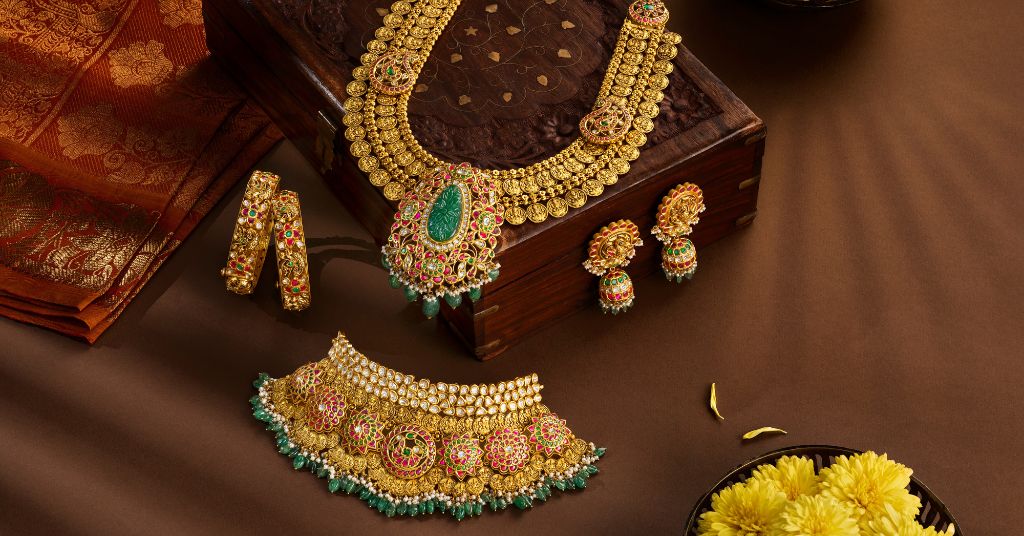
The Kasu Mala is one of the most recognisable pieces of traditional Tamil jewellery for bride. It features rows of gold coins, often embossed with Goddess Lakshmi.
Beyond aesthetics, it symbolises prosperity and divine favour. Brides typically layer the Kasu Mala with other necklaces to create depth and dimension.
Modern variations include slimmer coin patterns and detachable components for reusability.
2. Manga Malai
The mango motif, representing fertility and auspicious beginnings, is central to traditional Tamil jewellery designs.
The Manga Malai creates a sculptural silhouette around the neckline. Contemporary brides may opt for versions accented with gemstones or lighter settings for comfort.
3. Temple Haram
The temple haram is often the most elaborate necklace in the bridal stack. Inspired by temple architecture and deities, it features intricate carvings and bold pendants.
In modern weddings, temple harams are sometimes designed to transform into shorter necklaces or separate pendants, ensuring they are worn beyond the wedding day.
4. Vanki (Armlet)
The V-shaped armlet adds regal elegance to the bride’s attire. Worn on the upper arm, it complements the drape of the saree and enhances posture and poise.
Although historically reserved for weddings, lighter Vankis are now styled at pre-wedding functions and cultural events.
5. Odiyanam (Waist Belt)
The Odiyanam is both ornamental and symbolic. It accentuates the bride’s silhouette while signifying grace and prosperity.
Today, brides increasingly choose modular Odiyanams that can transform into necklaces or standalone pieces, aligning with the modern emphasis on longevity and practicality.
6. Jhumkas
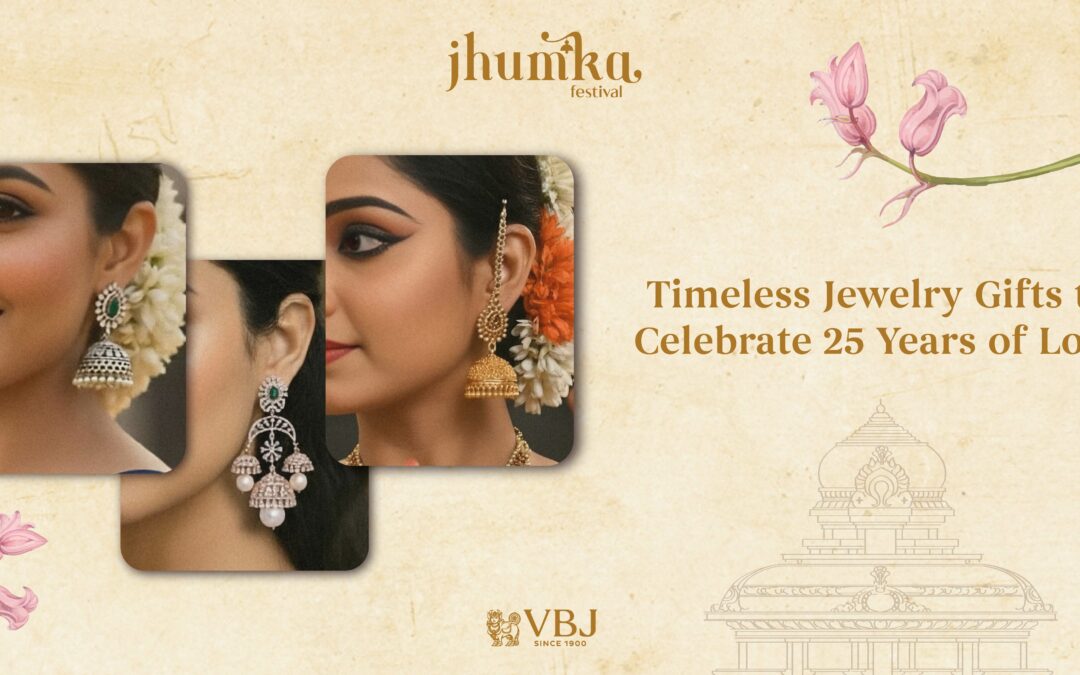
Temple jhumkas or gemstone-studded jhumkas frame the bride’s face and balance the layered necklaces. They remain one of the most versatile pieces in traditional Tamil wedding jewellery.
7. Nethi Chutti (Maang Tikka)
The Nethi Chutti enhances symmetry and adds divine elegance to the bridal look. It often features temple motifs and intricate detailing.
Modern brides may opt for simpler versions for lighter ceremonies or reception styling.
Traditional Tamil Jewellery for Bride in Modern Weddings
While rituals remain sacred, the modern Tamil bride approaches jewellery differently. She respects tradition, but she also considers wearability, comfort, and future use.
What Has Changed?
- Preference for Lighter Designs: Brides choose jewellery that feels grand yet comfortable for long ceremonies.
- Reusability Beyond the Wedding: Jewellery is no longer purchased solely for one day. Pieces are selected for festivals, anniversaries, and family events.
- Convertible Designs: Necklaces that detach into pendants. Odiyanams that transform. Earrings that separate into studs and danglers.
- Investment in Heirloom Quality: Families prioritise craftsmanship that can be passed down, ensuring continuity of tradition.
This evolution does not dilute tradition. it strengthens it by making it sustainable for future generations.
Balancing Tradition with Modern Aesthetics
Modern Tamil weddings often blend:
- Temple jewellery with subtle diamond accents.
- Layered gold necklaces with minimalist silhouettes.
- Traditional motifs styled against contemporary Kanjeevarams.
- Statement pieces balanced with lightweight elegance.
The focus is on harmony, not excess.
A bride today may wear a full traditional set for the muhurtham and restyle portions for the reception. This thoughtful approach ensures that traditional Tamil jewellery continues to live beyond ceremonial photographs.
How to Choose Traditional Tamil Jewellery for Bride
When selecting bridal jewellery, consider:
1. Comfort and Weight:
Wedding rituals can last several hours. Choose pieces that feel secure and balanced.
2. Multi-Wear Potential
Can the necklace be worn separately? Can the earrings transform?
3. Gold Purity and Craftsmanship
High-quality gold ensures both durability and investment value.
4. Emotional Significance
Jewellery gifted by elders or inspired by family heirlooms carries deeper meaning.
5. Styling Balance
Layering should feel harmonious rather than overwhelming.
The ideal bridal jewellery should shine brilliantly on the wedding day, and continue to hold relevance for decades.
The Emotional Legacy of Traditional Tamil Wedding Jewellery
Beyond design and gold weight lies something intangible, memory.
A bride may remember:
- The sound of bangles during rituals.
- The weight of the Oddiyanam tied securely.
- The glow of temple jewellery against silk.
Years later, those same pieces may be worn by her daughter or redesigned for a new generation. That continuity is what defines traditional Tamil bride jewellery, it is both present and future.
In Conclusion
Traditional Tamil wedding jewellery remains one of the most celebrated expressions of heritage in India. From Kasu Malas and Manga Malais to Temple Harams and Oddiyanams, these pieces represent devotion, prosperity, and family legacy.
In modern weddings, tradition is not abandoned, it is thoughtfully adapted. Brides today choose jewellery that honours culture while embracing practicality and longevity.
For those seeking refined traditional Tamil jewellery designs that blend heritage craftsmanship with contemporary sensibility, you can explore exquisite bridal collections at Vummidi Bangaru Jewellers (VBJ), where legacy meets elegance.
0 Comments